
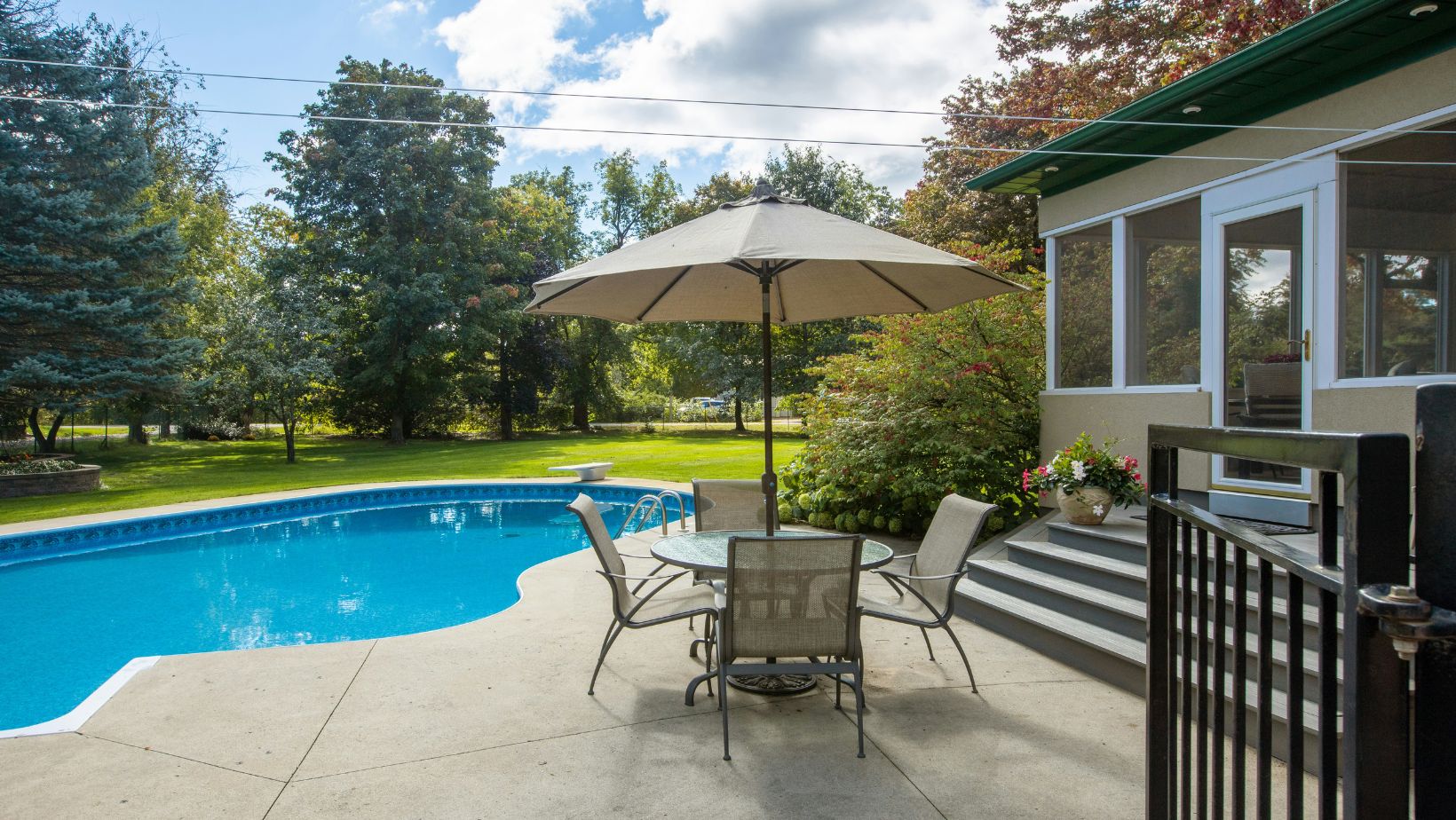
Want to know how you can maintain your backyard pool investment?
Having your own swimming pool at home ranks among the highest ticket items most homeowners will invest on. But if you don’t practice the proper maintenance habits every year, you’re more likely to turn your pool into a money pit.
Here’s the reality…
While some pool owners fail to realize the importance of regular maintenance and how it can affect their property value, it is indeed one of the keys to keeping your investment for years to come—especially when it comes to commercial pool resurfacing and maintenance know-hows.
In this article:
- Why Keeping Your Pool Saves You Money in the Long Run
- What should Pool Owners Take Care of Every Year?
- Do Pools Need to be Resurfaced?
- Maintenance Musts by Season
- Prioritize These to Protect Your Pool Investment
Why Keeping Your Pool Saves You Money in the Long Run
Did you know that having your own swimming pool can actually increase the overall value of your property?
Per recent data, backyard pools can increase the value of your home by as much as 7%. Not bad at all if you ask me.
Just like any investments, your swimming pool can give homeowners good returns as long as you properly maintain it.
Take note that failing to do so can greatly decrease your home’s value. An unmaintained pool with damaged surface, stained plaster, and outdated pool equipment can be a massive down-grader for your property.
Pool surfaces are typically the first ones to take damage as the years go by. High exposure to chemicals, varying weather, and constant use can wear out your pool in more ways than one. In fact, it is exactly why swimming pool resurfacing should be every homeowner’s priority should your pool start developing surface damage.
Think about it…
When a potential buyer takes a look at your backyard, what do you want them to see? Crystal clear water sitting on top of a smooth, refined pool? Or a pool with rough patchy areas, discoloration, and obvious cracks?
What should Pool Owners Take Care of Every Year?
Annual maintenance doesn’t mean you have to touch on every area of your pool every year.
While you may focus on particular pool aspects each season, there are things every homeowner should take care of year-round.
Annual swimming pool maintenance should include the following:
- Water chemistry
- Equipment upkeep
- Pool surface
- Deck and pool coping maintenance
- Safety features and installations
These are just some of the things you need to regularly check to ensure everything is working correctly. Usually, you can get these done in no more than an hour or two each season.
But you wouldn’t want to lose hundreds (if not thousands) of dollars on repair costs just because you overlooked a problem during your quick yearly check, right?
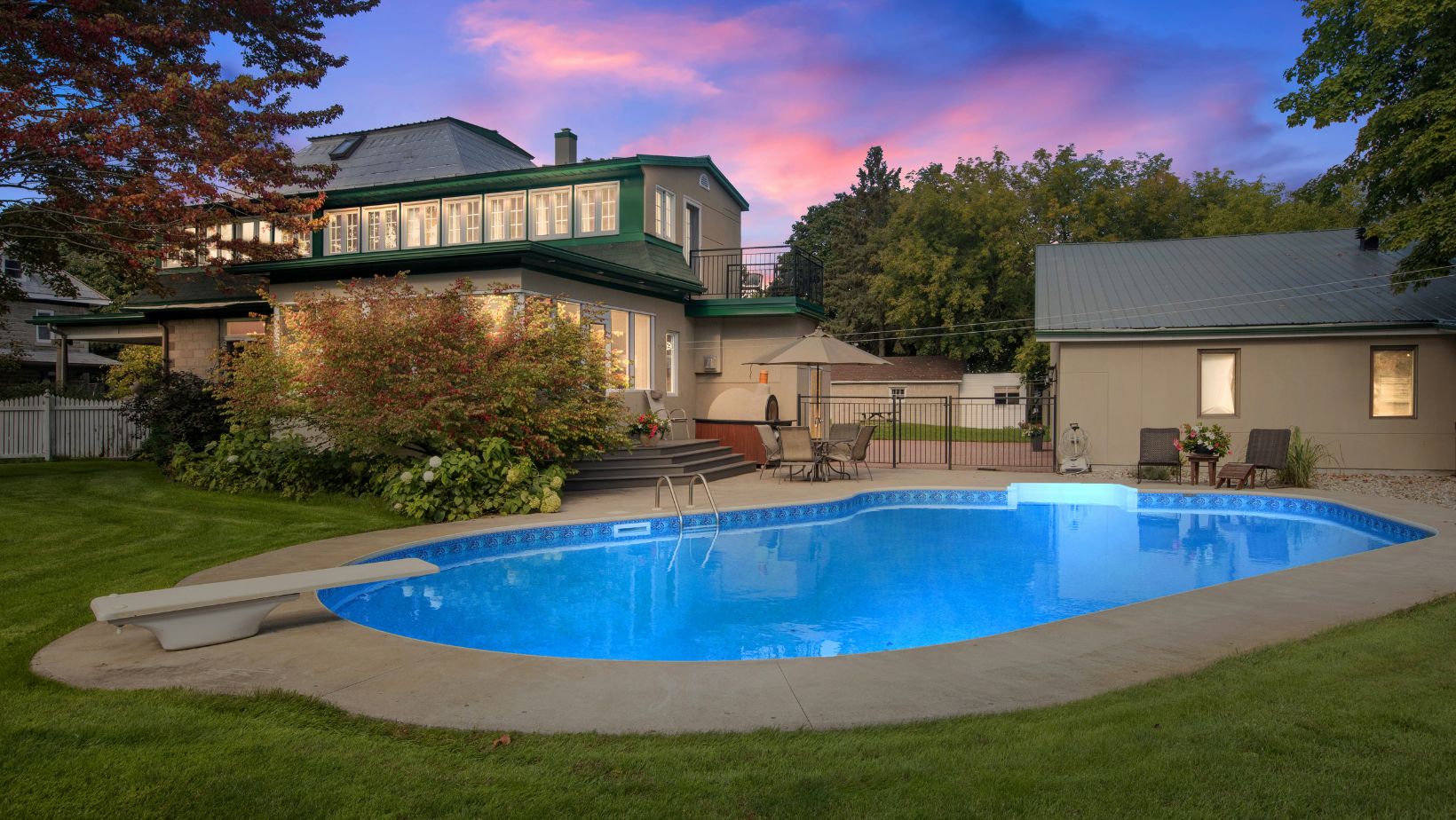
Inspecting your pool’s surface annually is very important. You might be able to get away with small cracks and holes but once water starts to get behind your pool shell, you’re looking at bigger repairs. Spotting damage early on can help remedy the problem before it gets any worse.
Do Pools Need to be Resurfaced?
Okay, but how often do pools need to be resurfaced?
Most pools actually need resurfacing every 8-10 years. However, there are a couple of things that can drastically change that timeline such as:
- Type of pool finish
- Chemical balance maintained
- Overall use of the pool
Signs you may need resurfacing include:
- Peeling plaster flakes
- Rough pool surfaces
- Persistent stains that won’t disappear with cleaning
- Cracks on your pool shell
- Discoloration of your poolwater
It’s best not to wait until your pool is on its death bed before you get commercial pool resurfacing services. Trust me, resurfacing pools before heavy damage appears is far more cost-effective.
Did you know that…
Modern-day pool resurfacing materials can last longer than ever before. Pebble pool finishes can last you up to 15-20 years. Quartz plaster can typically last anywhere between 10-15 years. Standard plaster—which is by far the cheapest pool surfacing option—can last you anywhere from 7-12 years with proper maintenance.
Maintenance Musts by Season
Seasonal changes can affect the way you maintain your swimming pool.
Spring: Spring is generally the kick-off period for pool maintenance. You’re cleaning your pool down to its last byte and preparing your equipment to be used after the winter season. Ensure to test your water’s chemistry and get it balanced before the sun starts to feel like hell outside and everyone’s flocking to the pool.
Follow up your water chemistry with a surface inspection. Winter may have caused your pool some damage; be sure to look out for any cracks or stains before use.
Summer: With the hot weather comes a lot of pool use. And the more people use your pool, the more you have to maintain your water’s chemistry.
Test your water at least twice a week. Skim your pool’s surface on a daily basis and run your filtration system for at least 8 hours a day.
Fall: It’s starting to cool down which means you won’t be using your pool as much. Fall is the perfect time to give your filter a good clean. If you notice you’re not using your pool as much, invest in a pool cover.
Check your pool surface and make the necessary repairs before winter hits.
Winter: If you don’t live in a year-round pool-friendly state, winterizing your pool is necessary to prevent damages from freezing. However, if you reside in a state where you can use your pool all-year-round, winterizing may not be for you. Maintaining your water’s chemistry is enough.
No matter what season it is.
Maintenance shouldn’t be taken lightly and neither should going on a pool hiatus. A single season of negligence can undo all the progress you’ve made in previous years. Pool surface damages caused by chemical imbalances are also very prominent a few months after they’ve occurred.
Prioritize These to Protect Your Pool Investment
Taking care of a pool shouldn’t be a one-year plan. If you truly want to invest in your pool, you have to take care of it long-term.
Pool maintenance can cost owners anywhere from $3,000 to $6,000 USD annually. Before you scoff at those numbers, pool repairs and resurfacing done out of negligence can easily run you five figures.
Protect your investment by doing the following:
- Never neglect water chemistry.
- The better you maintain your water’s chemistry, the longer your pool’s surface will look brand new.
- Invest in small repairs right away. A small crack in the pool wall won’t be such a nuisance next year.
- Purchase quality equipment. New pool pumps and filters allow you to better maintain your water’s cleanliness.
- Schedule regular pool inspections. Pool contractors can easily point out any minor problems you may have overlooked.
- Budget for pool resurfacing. You can thank us later.
If you take care of your pool the way you take care of the rest of your house, everything will be just fine.
Think about it…
You wouldn’t wait for your roof to leak before conducting a visual inspection of your attic. Give your pool the same treatment and it will show.
Wrapping Things Up
A backyard pool is a great investment that can provide you and your family years of entertainment.
Just make sure to maintain it properly if you want to enjoy your investment for years to come. Inspections, regular maintenance, and repair are the keys to keeping your pool clean and functional.
Here’s a recap of what we’ve learned:
- Test and balance your water’s chemistry year-round
- Conduct a visual pool inspection annually
- Repair damage as soon as you spot it
- Pool resurfacing should be scheduled and budgeted for beforehand
You truly reap what you sow when it comes to caring for your swimming pool. People who diligently maintain their pools will have gorgeous backyard oases. People who don’t? They’ll be shelling thousands of dollars on repairs and losing potential property value.
Which person do you want to be?