
Creating an expansive feel in your home doesn’t always require a major renovation or knocking down walls. Often, the right flooring choice can dramatically transform your space, making it appear larger and more welcoming. With a careful selection of colours, patterns, and materials, you can achieve a sense of openness and flow throughout your interiors.
Colours and Patterns That Expand Space
Light Wood and Neutral Tones
One of the most effective strategies to make a room feel larger is to opt for light wood and neutral tones. Light colours, such as beige, pale oak, or soft gray, reflect more light than darker shades, creating an airy and open feel. These tones can seamlessly blend with various interior styles, from minimalist to traditional, offering versatility in design.
Neutral flooring provides a perfect backdrop for colourful furnishings and decor, allowing these elements to pop without overwhelming the space. Choosing light wood or neutral flooring creates a continuous visual line that draws the eye across the room and enhances the perception of spaciousness. These hues also work well with natural light, brightening your interiors and making them feel larger. Whether you’re updating a single room or redoing your entire home, working with a trusted flooring specialist makes the process easier. Homeowners trust BC Floors to install affordable hardwood flooring in kitchens, living rooms, and offices.
Incorporating light wood and neutral tones into your flooring can also add a touch of elegance and sophistication to your home. The subtlety of these colours can make your space feel more tranquil and inviting, promoting a sense of calm and relaxation.
Reflective Surfaces: Gloss vs. Matte Finishes
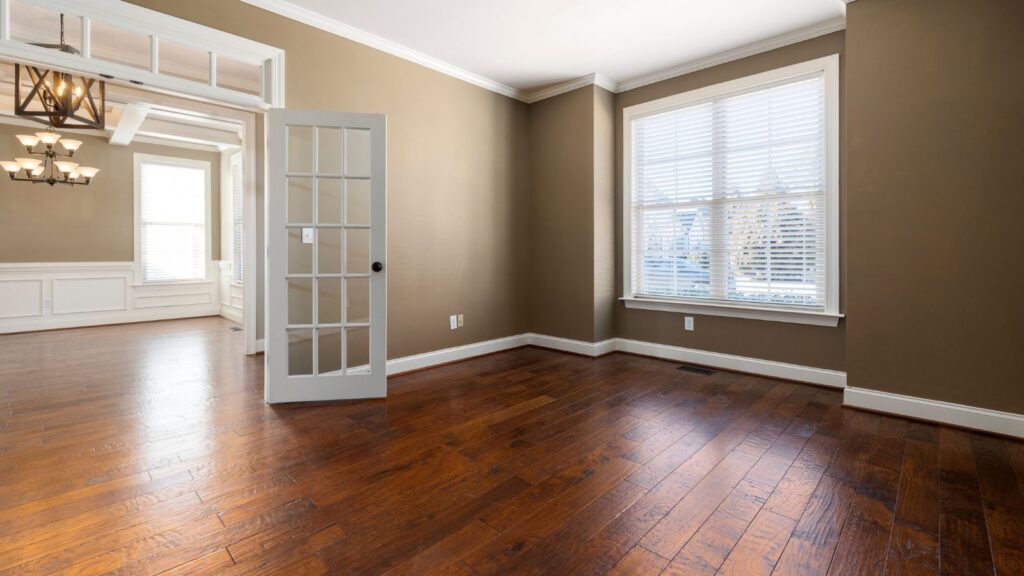
Reflective surfaces can be a game-changer when it comes to creating the illusion of a larger space. Glossy finishes, in particular, can bounce light around the room, enhancing brightness and depth. High-gloss tiles or polished wood floors are excellent choices for small rooms or areas with limited natural light. They add a sleek, modern touch while making the space feel airy and open.
However, you might prefer a more understated look, in which case matte finishes can be equally effective. Matte surfaces have a softer appearance, reducing glare and providing a subtle continuity that can make a room appear larger. They are also less likely to show scratches or dust, making them a practical choice for high-traffic areas.
When deciding between gloss and matte finishes, consider the specific needs of your space. Glossy floors can add a dramatic flair, while matte finishes offer a more subdued elegance. Both can enhance the size perception of your interiors, so choose the one that aligns with your aesthetic preference and lifestyle.
Diagonal and Patterned Layouts
The layout of your flooring can significantly impact how spacious your room feels. Diagonal patterns, for example, can make a room seem larger by drawing the eye across the longest path of the space. This technique breaks up the space visually, creating a dynamic sense of movement that enhances the overall scale of the room.
Patterned layouts, such as herringbone or chevron, can also add depth and interest to your flooring while making the space feel more expansive. These patterns create a visual texture that engages the eye, which can help to expand the perceived dimensions of the room. When combined with light colours and reflective finishes, patterned floors can further amplify the sense of space.
Incorporating diagonal or patterned layouts requires careful planning and precision. However, the effort is well worth it, as these designs can transform a cramped area into a stylish and spacious haven. Consider consulting with a professional installer to ensure the best results for your flooring project.
Planks, Tiles, and Seamless Flooring
Wide Planks for Visual Continuity
Wide planks are an excellent option for creating visual continuity in your flooring, which can make your interiors feel more spacious. By reducing the number of seams and lines, wide planks create a clean, uninterrupted surface that draws the eye seamlessly across the room. This effect can make any space appear larger and more cohesive.
In addition to their aesthetic appeal, wide planks can also add a sense of luxury and refinement to your home. They are available in a variety of materials, including hardwood, engineered wood, and laminate, each offering unique benefits and styles. When choosing wide planks, consider the overall design theme of your home to ensure a harmonious look.
Wide planks also offer practical advantages, such as easier maintenance and installation. Fewer seams mean less opportunity for dirt and grime to accumulate, making cleaning a breeze. Moreover, the installation process can be quicker and more efficient, saving you time and effort.
Large-Format Tiles and Minimal Grout Lines
Large-format tiles are another excellent choice for creating a spacious feel in your interiors. These tiles cover more area with fewer grout lines, resulting in a more continuous and open appearance. The reduced visibility of grout lines helps to create a smooth, flowing surface that enhances the perception of space.
Available in various materials, including porcelain, ceramic, and natural stone, large-format tiles can suit different aesthetic preferences and functional needs. They are particularly well-suited for modern and contemporary interiors, where clean lines and minimalism are key design elements. However, they can also be adapted to other styles with the right choice of texture and colour.
When installing large-format tiles, it’s essential to ensure a level subfloor and precise alignment to achieve the best results. Consider hiring a professional installer to guarantee a flawless finish. With the right installation, large-format tiles can transform your space into a sleek and expansive environment.
Continuous Flooring Across Rooms
Creating a sense of continuity through continuous flooring across rooms is a powerful way to expand the feeling of space in your home. By using the same flooring material and colour throughout connected areas, you eliminate visual barriers and create a cohesive flow from one room to the next. This technique can make open-plan layouts feel even more spacious and integrated.
Continuous flooring can be achieved with materials such as hardwood, laminate, or vinyl, which are available in a wide range of colours and finishes. This approach not only enhances the perception of space but also provides a unified backdrop for your furnishings and decor. It allows for greater flexibility in your interior design choices, as you can easily transition between different styles and themes.
When planning continuous flooring, it’s important to consider factors such as durability, maintenance, and suitability for each area of your home. Choose a material that can withstand the specific demands of each space while maintaining the desired aesthetic. With the right choice, continuous flooring can be a transformative element in your interior design.
Rugs, Flow, and Material Choices
Defining Zones with Rugs
Rugs are an excellent tool for defining zones within your open-plan spaces, adding both function and style. By strategically placing rugs in key areas, you can create distinct zones for different activities, such as dining, lounging, or working. This approach enhances the organization and flow of your space, making it feel larger and more purposeful.
When choosing rugs, consider their size, colour, and texture to complement your flooring and overall design scheme. A rug that contrasts with your flooring can add visual interest, while one that matches or complements the floor can create a seamless transition between zones. The choice of material can also impact the feel of your space, with plush rugs adding warmth and comfort, and flat-weave options providing a sleek, modern look.
Rugs offer the flexibility to easily update or change the look of your interiors. Whether you’re refreshing your decor or adapting to new needs, rugs allow you to redefine your space without the need for permanent changes. They are a versatile addition that can enhance the spaciousness and functionality of your home.
Matching Flooring with Walls and Furniture
Harmonizing your flooring with your walls and furniture is crucial for creating a cohesive and spacious interior. When these elements are in sync, your space feels balanced and unified, contributing to a sense of openness and flow. Consider the colour palette of your walls and furniture when selecting your flooring to ensure a harmonious blend.
Neutral flooring can serve as a versatile foundation that complements a wide range of wall colours and furniture styles. Alternatively, you can choose flooring that echoes the tones or textures found in your other design elements for a more curated look. This approach can create a sense of continuity and integration throughout your space.
Keep in mind the scale and proportion of your furniture in relation to your flooring. Large, bulky pieces can overwhelm a space, while sleek, low-profile furniture can enhance the room’s openness. By carefully coordinating your flooring with your walls and furniture, you can achieve a balanced and spacious interior.
Wood vs Laminate vs Vinyl
Choosing between wood, laminate, and vinyl flooring involves weighing the benefits and drawbacks of each material in terms of aesthetics, durability, and cost. Each option offers unique advantages that can contribute to a more spacious feel in your home.
● Wood Flooring: Known for its timeless beauty and natural warmth, wood flooring can add elegance and sophistication to your interiors. It is available in a variety of species and finishes, allowing for customization to suit your style. However, wood can be more expensive and require more maintenance compared to other options.
● Laminate Flooring: Offering the look of wood at a more affordable price, laminate flooring is a popular choice for its durability and ease of maintenance. It is resistant to scratches and stains, making it suitable for high-traffic areas. While it may not have the same warmth as real wood, laminate can still contribute to a spacious and stylish interior. Laminate flooring may contain formaldehyde, particularly when new, but emissions have been reduced by 80–90% since the 1980s due to CARB and ANSI standards. Emissions are highest initially and decrease over time, and typical exposures are unlikely to pose significant health risks if standards are followed
● Vinyl Flooring: Versatile and budget-friendly, vinyl flooring is available in a wide range of styles, including options that mimic the appearance of wood or stone. It is water-resistant and easy to clean, making it ideal for kitchens and bathrooms. Vinyl can provide a seamless and open look when used throughout connected spaces.
Consider your lifestyle, budget, and design preferences when choosing the right flooring for your home. Each material has the potential to enhance the spaciousness of your interiors while adding its own unique charm.
Conclusion
Incorporating the right flooring ideas into your home can significantly impact the perception of space, making your interiors feel larger and more inviting. By carefully selecting colours, patterns, and materials, you can create a cohesive and open environment that enhances your living experience. Whether you prefer the elegance of wood, the practicality of laminate, or the versatility of vinyl, each option offers unique benefits that can contribute to a spacious feel. Consider the flow between rooms, the balance with walls and furniture, and the use of rugs to define zones. With these strategies in mind, you can transform your interiors into a spacious and stylish sanctuary.