
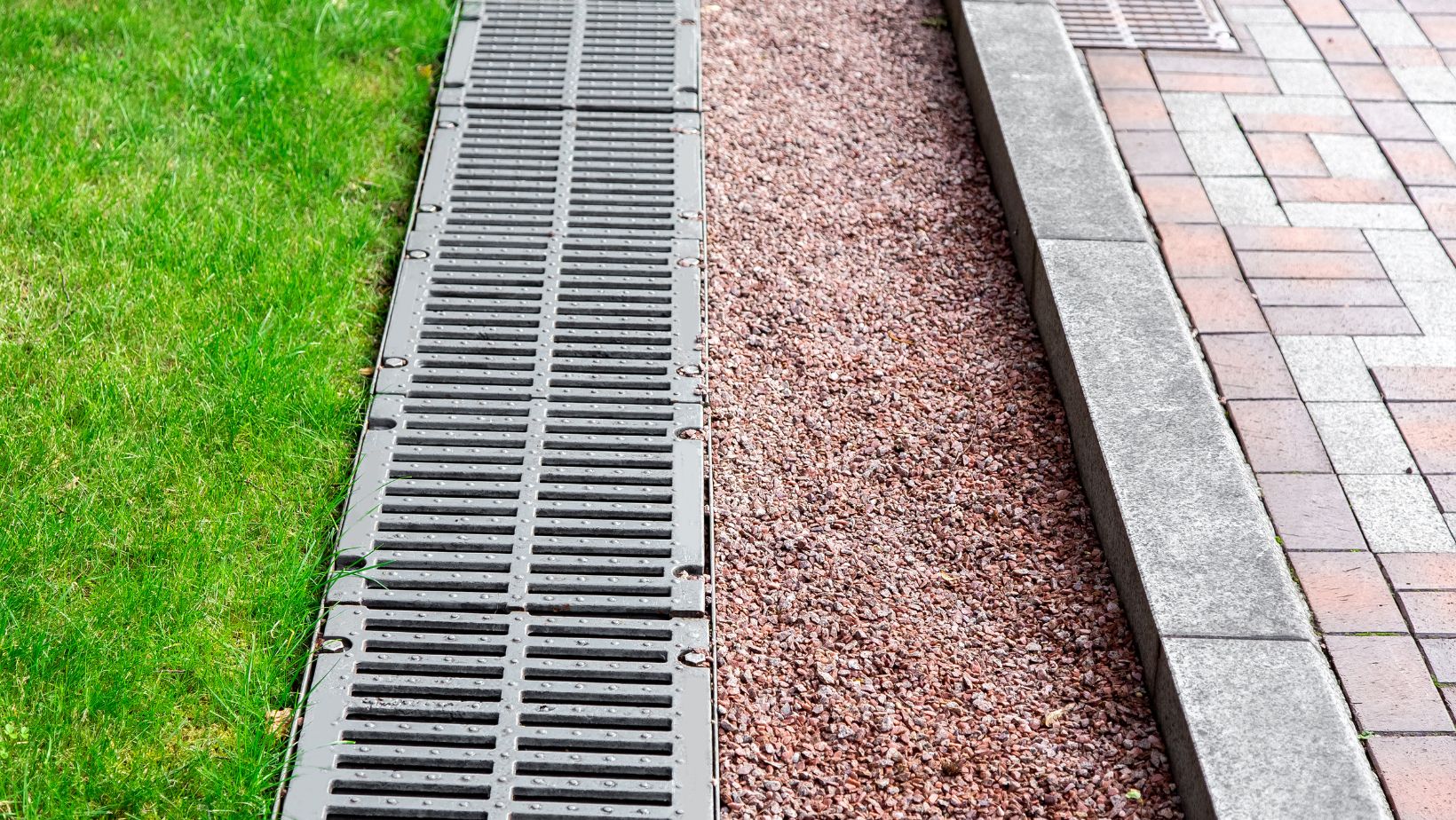
Foundation water management begins below ground level, where most homeowners never see the systems protecting their properties. Weeping tile installation creates the first line of defense against hydrostatic pressure—the force that drives groundwater through foundation walls and into basements. Without proper perimeter drainage, even waterproofed foundations eventually succumb to persistent moisture pressure.
Understanding Weeping Tile Function
Weeping tiles aren’t actually tiles—they’re perforated pipes installed around foundation perimeters at footing level. These pipes collect groundwater before it contacts foundation walls, channeling it toward sump pits or storm sewers. The system relies on gravity flow, requiring precise slope calculations during installation. Even slight grading errors can create standing water zones where sediment accumulates, eventually clogging the system.
Modern weeping tile systems use corrugated plastic pipes with sock filters preventing soil infiltration. Older clay tile systems, common in pre-1960s construction, deteriorate over time as joints separate and tree roots penetrate. Replacement becomes necessary when chronic basement moisture appears despite functioning sump pumps—the collection system itself has failed.
Installation Depth and Placement
Effective weeping tile sits at or slightly below footing level, typically 8 to 12 inches below basement floors. This placement intercepts water at its entry point rather than after it’s already penetrated. Excavation around existing foundations requires careful work—disturbing soil support can compromise structural integrity. POM Plumbing approaches these projects with foundation stability as the primary concern, not just drainage function.
The trench surrounding installed pipe must be backfilled with clean gravel, not excavated soil. Gravel creates drainage channels allowing water to reach perforations efficiently. Without proper aggregate, clay soil can seal against pipes, rendering them ineffective. Filter fabric separating gravel from surrounding soil prevents long-term clogging while maintaining drainage capacity.
Connection to Discharge Systems
Weeping tiles must discharge somewhere—either to municipal storm sewers where permitted, or to sump pits for pump discharge. In Toronto, regulations govern storm sewer connections, with many areas requiring sump pump systems instead of direct storm connections to reduce municipal system loads during heavy rainfall.
Discharge lines require proper slope and cleanout access. Over time, sediment accumulation can restrict flow even in well-designed systems. Strategic cleanout placement allows periodic flushing without excavation. POM Plumbing incorporates multiple access points in installations, recognizing that maintenance access determines long-term system viability.
Material Selection and Longevity
Modern weeping tile materials dramatically outlast older clay systems. High-density polyethylene remains flexible through freeze-thaw cycles while resisting chemical degradation from soil contact. Perforations are precisely sized—large enough for efficient water entry but small enough to prevent soil infiltration even when sock filters eventually degrade.
Sock filters extend system life significantly by preventing fine particles from entering pipes. However, they’re not permanent solutions. In clay-heavy soils common throughout the GTA, even socked pipes gradually accumulate sediment. Realistic expectations acknowledge 25 to 40-year service lives, not permanent installations.
Signs Replacement Is Needed
Chronic basement moisture despite operating sump pumps suggests weeping tile failure. Water staining on foundation walls, particularly near floor joints, indicates hydrostatic pressure overwhelming the drainage system. Efflorescence—white mineral deposits on concrete—signals moisture migration through foundation materials.
Some properties experience seasonal flooding corresponding to spring thaw or heavy rainfall, then remain dry during moderate conditions. This pattern suggests partial system blockage where capacity proves adequate for normal conditions but insufficient during peak demand. Complete replacement often costs less than repeated waterproofing attempts addressing symptoms rather than causes.
Professional Assessment Value
Determining whether foundation moisture stems from weeping tile failure, compromised waterproofing membranes, or surface grading issues requires professional diagnosis. Excavation costs make incorrect assessments and expensive mistakes. POM Plumbing combines camera inspection technology with hydrogeological knowledge, identifying actual failure points before recommending solutions.
Assessment considers property age, soil conditions, and previous drainage work. Homes in areas with high water tables face different challenges than properties on elevated terrain. Understanding these contextual factors prevents over-engineering solutions or, conversely, implementing inadequate systems that fail to address actual conditions.
Conclusion
Weeping tile installation represents foundational infrastructure in the truest sense—it protects the structure supporting everything above. While invisible once installed, properly functioning perimeter drainage systems prevent thousands in water damage, preserve property values, and eliminate the persistent moisture that creates health hazards through mold growth. In regions with clay soils, freeze-thaw cycles, and significant precipitation, these systems aren’t optional upgrades but essential components of durable construction.